

Seven Types of Rest
Learning that we need more than just sleeping rest was a game-changer. Cultivating rest feels more attainable when I have categories of options to choose from or assess what I need. Here are the seven types of rest:
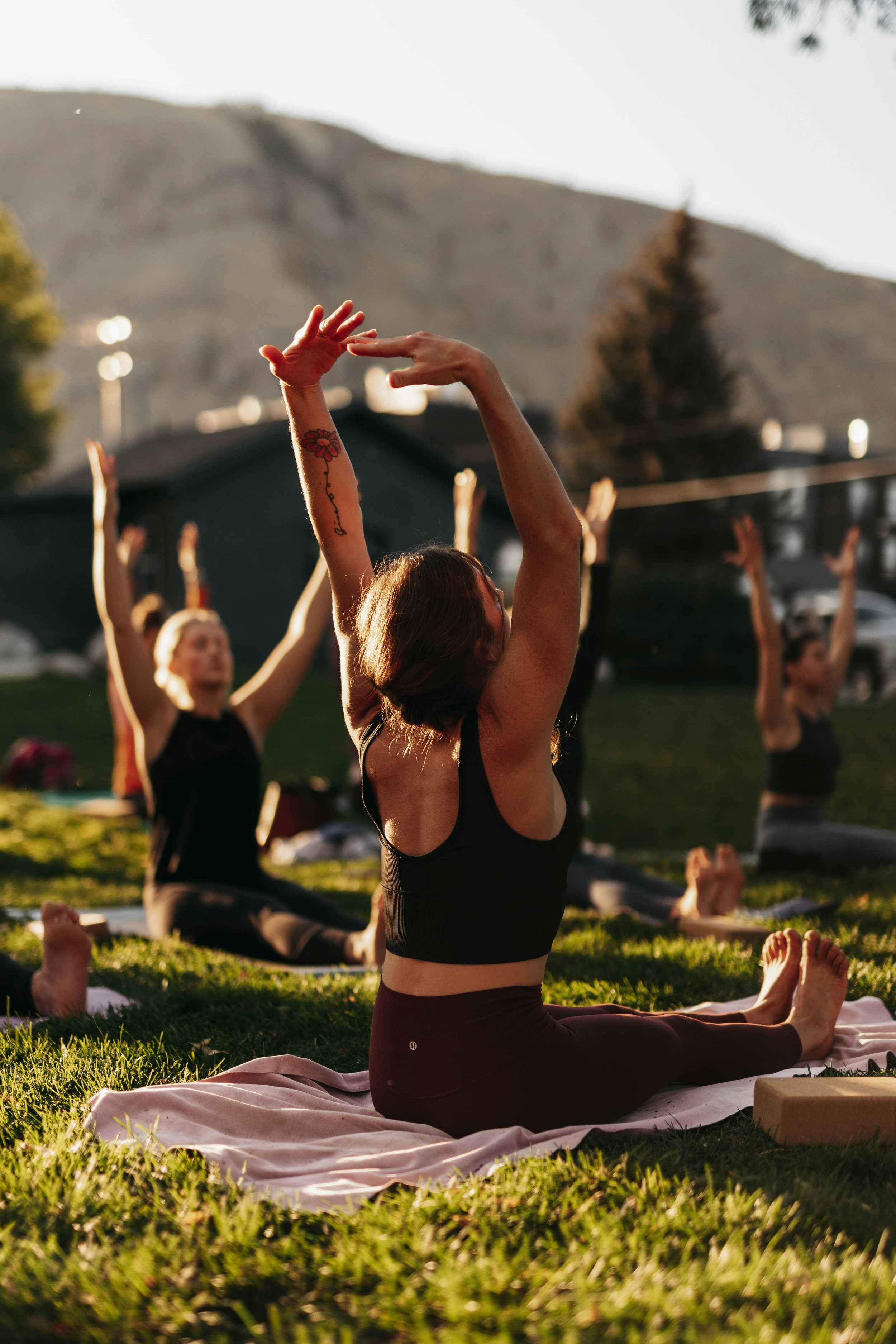
Physical Rest
This is the kind of rest most of us are familiar with, such as getting enough sleep each night or taking naps. These are more passive ways to rest. Active physical rest, on the other hand, includes gentle movement, massage, stretching, or even a sauna session to help your body feel rested and encourage circulation or flexibility.
Take a movement class like yoga, pilates, or a rest practice
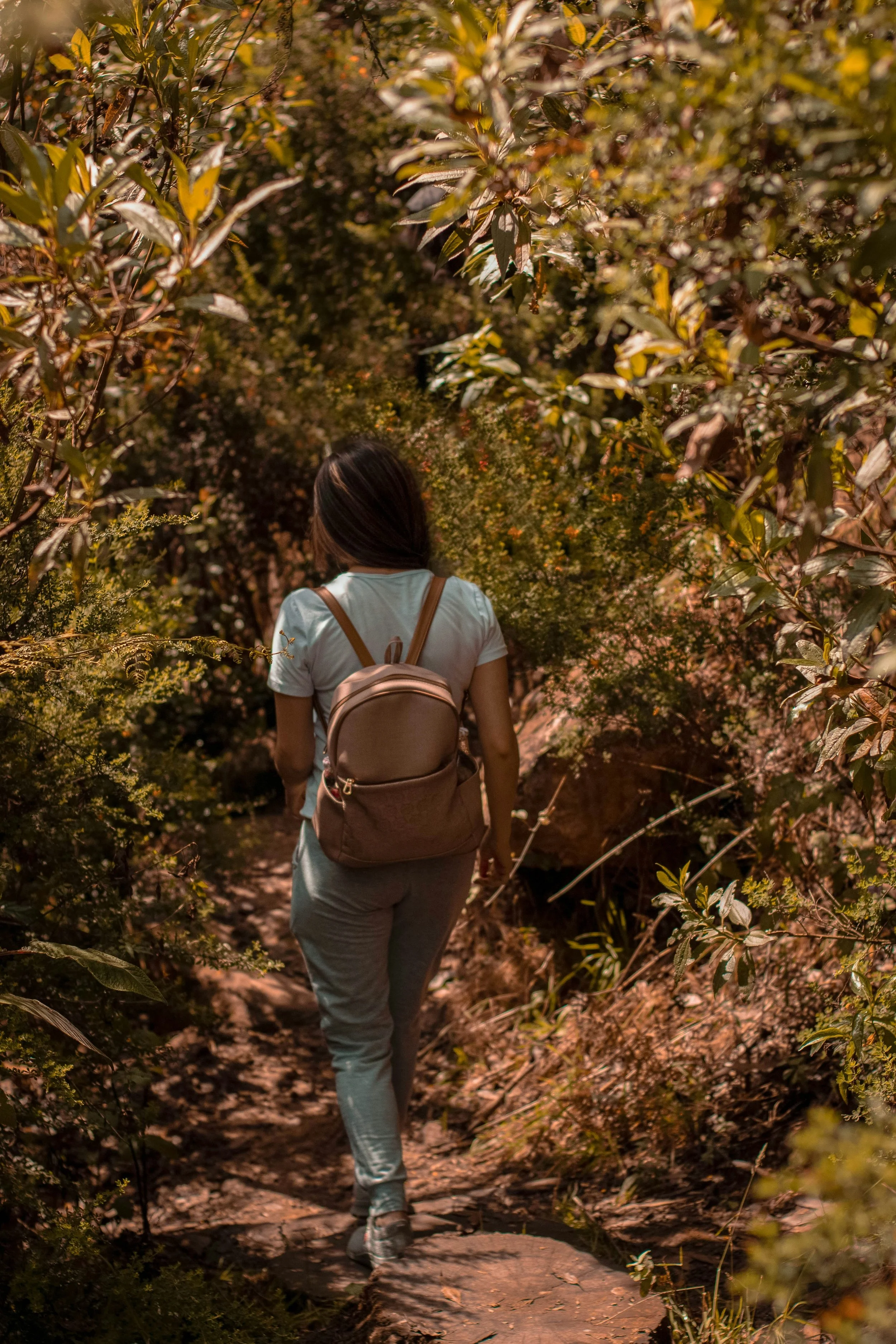
Go for a walk or hike (get outside if you can)
Book a self-care day
Take a nap or simply close your eyes for 5-minutes
Do a guided non-sleep deep rest guided audio (like this one)
Mental Rest
Our brain is constantly on, processing information, making decisions, and potentially experiencing anxiety or other mental health struggles. Whether at work, home, or school, scheduling short breaks throughout the day can help you slow down. It can also be helpful to journal before bed and write some thoughts about the day before sleep.
Schedule short breaks from screens
Have a low stimulation meal (no screens)
Try to implement no multitasking times
Unplug for an hour or as long as feels attainable
Sensory Rest
At the end of my classes, when everyone is cleaning up, I always say, “Bright lights incoming!” before turning on the overhead lights. We are all sensitive to sensory inputs such as bright lights and computer/phone screens on some level. I also get over-stimulated when the background music has lyrics my brain is trying to process (mental energy). Sensory rest might look like intentionally unplugging, closing your eyes for a few moments, turning off notifications, or implementing low-sensory times with no screens and maybe even no music.
Dim the lights or implement candelit times
Try implementing times of “grayscale” on your phone
Turn off notifications that you don’t need

Creative Rest
Why do we decorate our spaces? Or love to look out at a view? Because they inspire us! Making space in your life to take in nature’s beauty (even in your backyard), standing in awe at the museum, or engaging with other arts all allow us to be inspired, which, in turn, gives us creative rest. We can’t generate creativity if we don’t have inspiring input.
Go to a museum or art walk
Walk in the forest or by the sea
Read a fiction book or a short story (my recommendations)
Watch an artsy film
Emotional Rest
The energy to freely express your feelings and cut back on people-pleasing, I know it's a hard one! In Dr. Dalton-Smith’s TED talk, she says that an emotionally rested person can answer the question ‘How are you today?’ with a truthful ‘I’m not okay.’” You might notice this type of rest after being with people or in spaces that encourage your authentic self and limit masking, which also dovetails into the 6th type of rest.
Cultivate vulnerability
Journal (pen to paper or voice note!)
Write a letter to a friend near or far, you can be authentic with
Social Rest
Knowing the difference between relationships that drain us and those that energize us is key to social rest, and this can also look like saying ‘no’ to social invitations, having a night in, or taking yourself out on a solo date.
Say “no”
Cultivate JOMO (joy of missing out)

Spiritual Rest
You don’t have to be religious to practice spiritual rest. Spiritual rest is simply giving yourself the space to move beyond the physical and connect to a deep sense of belonging, love, and acceptance. This type of rest might be cultivated through mindfulness, yoga nidra, breathwork, a gratitude practice, self-acceptance, or loving-kindness to self (metta). Another great access point might be through community care, collective song, or getting involved in something bigger than yourself.
Listen to a guided meditation (here’s one of my favorites)
Keep a gratitude journal or list on scraps of paper
Read Tara Brach’s “Radical Compassion”
